
Obsessive compulsive disorder, or OCD as it is commonly known, is one of the most widely recognised yet still frequently misinterpreted mental health conditions and with more people looking for the knowledge and support for conditions that were misunderstood related to mental health, there is more awareness about it. Whenever someone speaks about OCD, most people will think of a person washing hands repeatedly or organising items meticulously, but OCD is much more Complex than these common behaviours that might or might not be symptoms, and so it requires proper understanding and then treatment follows.
Our main goal through this blog is to provide an overview of what obsessive compulsive disorder is, its symptoms, myths, causes, treatment and ways to manage it for the people, patients and caregivers.
Understanding Obsessive Compulsive Disorder(OCD)
Obsessive-compulsive disorder is a chronic mental health condition that can be easily characterised by the intrusive, unwanted thoughts that are called obsessions, generally repetitive behaviours or mental rituals performed to relieve the distress caused by those thoughts, and these actions might temporarily relieve the anxiety of the patient, but it gets worse over time.
Obsessive compulsive disorder is classified as an anxiety disorder, and it can also affect the life of an individual, including his or her social life, personal life, academic life or work life and it’s important to note that OCD is not synonymous with being a perfectionist or neat.
Key features of OCD: Obsessions and Compulsions
There are two defining features, obsessions and compulsions that is needed to understand what obsessive compulsive disorder is and we are going to know about them below
1. Obsessions
Obsessions are not simply worries but they are intrusive and lead to significant discomfort as they are unwanted, persistent thoughts, images, or urges that create intense distress. Some of the common options include fear of contamination by germs or dirt, fear of losing control and harming oneself or others, doubt about safety, about morality, religion or offensive thoughts, or a strong need for symmetry, order or perfection.
2. Compulsion
Compulsions are repetitive actions that are formed to neutralise the distress caused by obsessions, and these might be a physical behaviour or mental rituals and common compulsions might include excessive cleaning or hand washing, checking locks, appliances, & switches multiple times, or counting, tapping, repeating words silently, arranging items in alignment or disorder, or seeking reassurance repeatedly.
Causes of Obsessive Compulsive Disorder
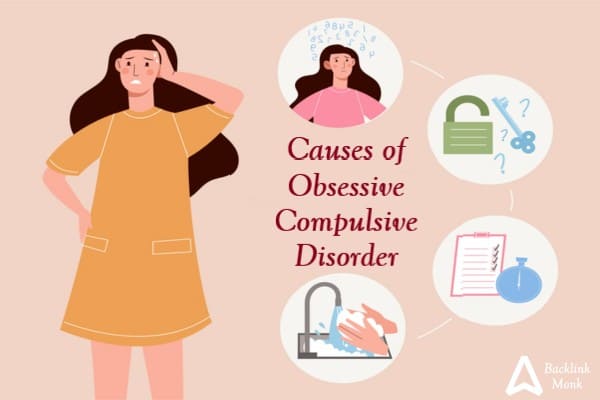
Currently the study has shown that obsessive compulsive disorder is not caused by any single known reason but instead the research has suggested that OCD is due to the combination of biological, psychological and environmental factors. Some of these can be summarised below
- Genetics
- Brain structure and Chemistry
- Trauma or stress
- Personality factors
- Environmental influences
Symptoms of OCD
For the early diagnosis and treatment, recognising the symptoms is very crucial and both obsessive symptoms and compulsive symptoms can be watched for
Obsessive symptoms
You may see a person has a persistent fear of germs or contamination, unwanted taboo thoughts like sexual, violent or religious, fear of forgetting or making a mistake, and intense preoccupation with order, symmetry or precision.
Compulsive symptoms
Washing hands until the skin becomes raw, rechecking doors, Windows or appliances excessively, counting tasks or objects repeatedly, organising items in a specific regimen, can be the symptoms for the compulsive disorder although you must remember that the symptoms vary widely between individuals and some may have more obsessional struggles while others are dominated by compulsive rituals.
Myths and misconceptions about OCD
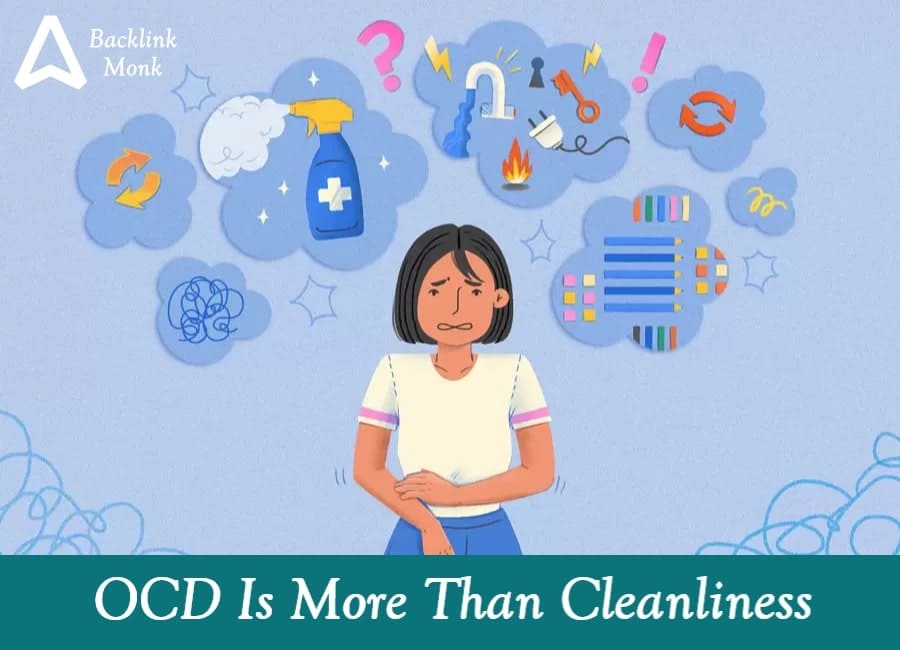
There are many myths that have surrounded the OCD over the years and we are going to debunk some of them:
- OCD is just about being clean – In reality while contamination fears are common but OCD can include intrusive unwanted thoughts about morality, harm or control.
- People with OCD enjoy their rituals: Rituals are stressful, time consuming and are performed to reduce anxiety but not pleasurable so it is a totally myth that a person suffering from OCD will enjoy their rituals
- OCD is rare: Many people think that obsessive compulsive disorder is very rare and only few people are suffering from it but in reality around 2 to 3% people in the world are suffering from this as per the estimate from the the World Health Organisation
- OCD can be “snaped out of”: OCD is not just something that can be treated at home or with superstition but it requires serious professional therapy and sometimes medication
Treatment options for OCD
Many people think OCD is something that is hard to treat while in reality the good news is that OCD can be effectively managed and its treatment is personalised depending on severity, type of obsessions & compulsions and coexisting conditions.
- Cognitive behavioral therapy(CBT): CBT, specifically Exposure and Response prevention(ERP) is the gold standard as in ERP, the patient is gradually exposed to their fears without allowing them to perform compulsions which ultimately helps them break the anxiety cycle.
- Medication: Selective Serotonin Reuptake Inhibitors(SSRIs) and sometimes other antidepressants are generally prescribed to regulate brain chemistry and medications can be useful in reducing the anxiety and intrusive thoughts that can make therapy more effective.
- Lifestyle adaptations: Lifestyle adaptations play an important role in the treatment of OCD like practising mindfulness and meditation, regular physical exercise, structured routines to reduce uncertainty and adequate sleep to improve mental regulation.
- Alternative treatments: Some people explore options like Transcranial Magnetic stimulation or nutritional therapy or sometimes supplements under professional supervision which helps them in managing their OCD issues.
Conclusion
Obsessive compulsive disorder is not just a personality issue or a preference for cleanliness, but it is a serious, often disabling mental health condition that sometimes requires compassion, understanding and proper medical care. By knowing what obsessive compulsive disorder is and by recognising its symptoms, debunking myths and highlighting treatment options we can create an informed space where individuals will no longer feel isolated in there struggles and if you are someone or you know maybe experiencing OCD then seeking professional support is the first step towards recovery and with awareness, therapy and resilience, OCD can be managed and fulfiling lights are possible.

Excellent website. Lots of useful information here. I’m sending it to several friends ans also sharing in delicious. And of course, thanks for your effort!