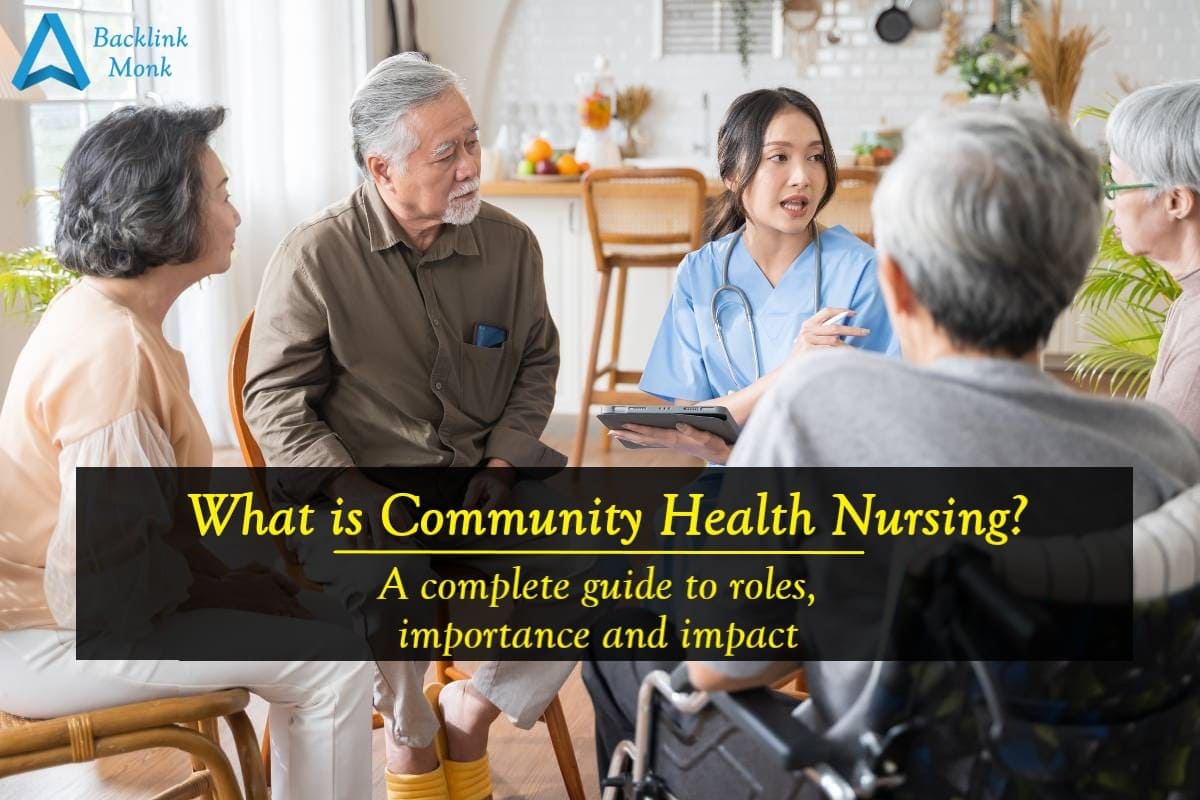
In a healthcare environment characterized by challenges related to access, escalating costs, and decades-long disparities, Community Health Centers (CHCs) have developed into critical providers that serve important gaps in the U.S. healthcare safety net. CHCs serve more than 30 million patients each year, at more than 14,000 delivery sites, and provide complete primary care, with or without insurance, and with or without the ability to pay. As healthcare continues to shift, CHC is demonstrating innovative solutions to not only extend care to vulnerable populations but also provide critical insight into the healthcare system as a whole.
The Community Health Center Model
Community Health Centers function within the federal Health Center Program, which provides grants and enhanced reimbursement to organizations that qualify and are located in medically underserved areas or serve medically underserved populations. While the program brings them together as part of a common framework, CHCS embodies incredible diversity – ranging from small rural clinics serving detached farming communities to large urban systems within metropolitan areas.
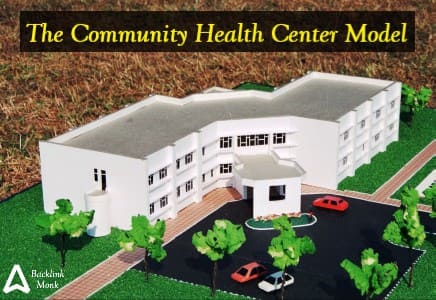
This diversity aside, all CHCs are defined by key characteristics that distinguish them from primary care practices. They are required to serve all patients regardless of their ability to pay, utilizing a sliding fee scale based on income. Their services go beyond basic medical services and are expected to include behavioral health integration, some level of dental, and enabling services to help overcome barriers to accessing care. Most uniquely, CHCs function on consumer-majority governing boards (at least 51% of board members must come from the population served), thus assuring community responsiveness.
The model has demonstrated resilience and expansion since its founding in the 1960s civil rights movement and President Johnson’s War on Poverty. From an initial pilot of two health centers, the program now reaches one in eleven Americans nationwide (ranging from one in five rural residents and one in three people with poverty). During this expansion, CHCs have maintained their fundamental commitment to access to community-responsive care, despite health care needs and delivery systems changing.
Addressing Geographic Access Challenges
One important way Community Health Centers impact healthcare is by being located in areas where providers are sparse. While about 20% of Americans live in rural communities, just 11% of physicians practice in rural areas, thus creating understandable access challenges. CHCs help fill that gap with 43% of health centers serving rural populations, with CHCs representing the only source of primary care in some counties, especially in areas such as the Mississippi Delta, Appalachia, and the rural West, which are at reasonable travel distances.

The implications of this geographic presence create a significant effect on hospitalizations and health outcomes. Research published in Health Affairs found that rural counties with CHCs have had 33%, lower rates of preventable hospitalizations, versus similar type counties without a health center. Some of this effect was found to be stronger for ambulatory care-sensitive conditions, such as diabetes, heart failure, or asthma, where outpatient visits could prevent more serious complications that would result in hospitalization.
Urban access challenges are different but equally important. In the urban setting, for example, CHCs are often situated in neighborhoods that are designated as areas with provider shortages, and neglected economically or even transportation-wise, thus preventing access and services.
Comprehensive, Integrated Care Delivery

Community Health Centers (CHCs) not only make services geographically accessible, but they also close gaps in care because they provide comprehensive services, which is not consistent with most usual primary care systems. This comprehensiveness of services approach recognizes that the individuals served by CHCs are vulnerable populations who often require coordinated approaches to care, likely due to overlapping health issues and complex health conditions, in various arenas.
Integrated behavioral health is one of the most significant aspects of CHC services because mental health providers are in chronic shortage, particularly in rural areas and low-income populations. Organizations provide a continuum of services. This continuum may include behavioral health screenings, referrals for mental health treatment, and fully integrated care teams that include psychiatrists, psychologists, and licensed counselors, providing behavioral health services and working collaboratively with primary care providers either in the same visit time frame or during a warm handoff to the behavioral health consultants to further solidify the integration of care.
Conclusion:
Community Health Centers have progressed from a small demonstration project to a crucial part of the healthcare safety net in America, for populations and communities with deep barriers to accessing care. Their model is creating geographical access, integrating services, cultural competence, social determinants, and financial sustainability that contain lessons for the enduring gaps in the larger healthcare sector. As healthcare transforms toward value-based, patient-centered care, health centers’ experience and innovations can serve as a model for fair delivery of care in addressing the needs of diverse populations and communities.